
Science Weekly
The Guardian
Beschreibung
Twice a week, the Guardian brings you the latest science and environment news
Podmon Kategorien
Darüber wird in diesem Podcast anteilig gesprochen.
Anzahl Kategorien
Upgrade dein Konto, um kontextuelle Kategorien zu sehen!
Chartplatzierungen
Aktuelle Platzierungen in den öffentlichen Podcast-Charts und in unseren eigenen Kategorien.
Apple Podcasts
PODMON Kategorien
Veröffentlichungshistorie
Episodenübersicht
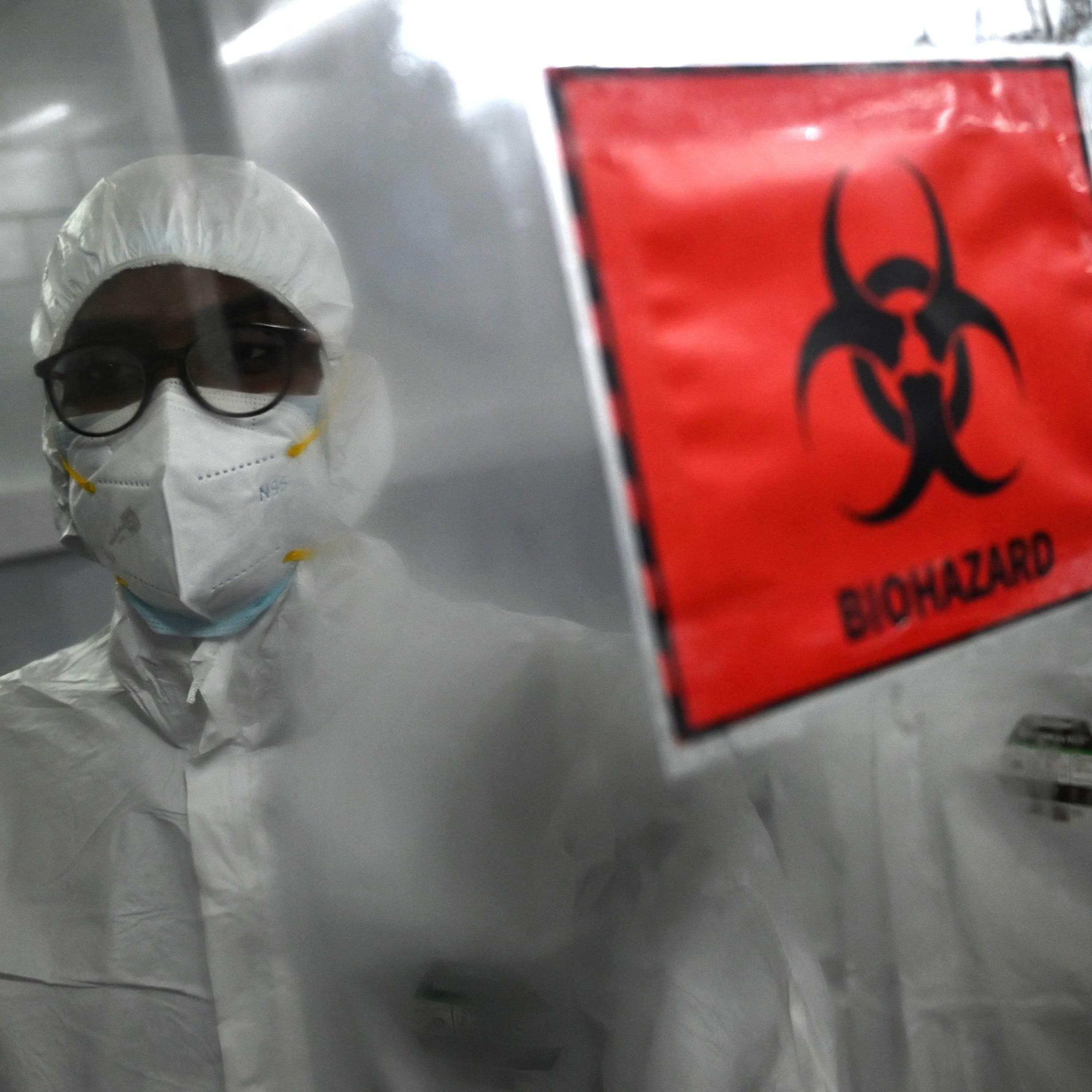
‘These risks are real’: the threat of AI bioweapons
20.10.2026
In his annual speech on threats to the nation, Sir Ken McCallum, the head of the UK’s intelligence service, MI5, warned that AI had the potential to ‘change the stakes’ on existing and even new bioweapons. To find out why, and how, Ian Sample speaks to Dr Tom Inglesby, director of the Johns Hopkins Center for Health Security and the Bloomberg School of Public Health. He explains what has governments so worried and what measures could be put in place to reduce the risks. Help support our independent journalism at theguardian.com/sciencepod

Is your boss watching you? The rise of AI surveillance at work
15.10.2026
Workers have always been monitored by their bosses, first through output targets, and then via computer software labelled ‘bossware’. But AI is transforming the capabilities of these systems, processing huge volumes of data to provide minute-by-minute accounts of activity, and productivity. To find out more, Ian Sample hears from UK technology editor Robert Booth. He explains which sectors are adopting this approach, why they are doing it, and how it could end up being counterproductive.. Help support our independent journalism at theguardian.com/sciencepod

The surprising psychology of morbid curiosity
13.10.2026
US defence secretary Pete Hegseth’s plan to livestream the execution of Nidal Malik Hasan has incurred condemnation from human rights groups and politicians on all sides. But according to Coltan Scrivner, an author and psychologist at Arizona State University and expert on morbid curiosity, people are still likely to watch in large numbers. He explains why we are drawn to dark and disturbing content, and Madeleine Finlay tells Ian Sample how consuming this kind of material can harm observers’ mental health. Help support our independent journalism at theguardian.com/sciencepod